THE 15TH CENTURY
ABOUT THE 15th CENTURY Also referred to as the late Middle Ages The 15th century marked a return to research, learning, and the spread of knowledge after the Dark Ages. Some describe the 15th century as the age of discovery, also known as the Age of Exploration was a period in history starting in the 15th century and continuing into the early 17th century, during which Europeans and their descendants intensively explored and mapped the world (Britannica). The 15th century also saw the early emergence of the Renaissance period. Europe started to see a spread of art, philolosophy and music. The 15th century also saw a well-developed land market emerge among peasants, some of whom managed to rise above their neighbours and began to constitute a class called yeomen (Britannica). MAJOR HISTORICAL EVENTS
 IMPORTANT & INFLUENCIAL PEOPLE OF THE 15th CENTURY
MAJOR TECHNOLOGICAL DEVELOPMENT
(Historyworld) (About.com) | FOOD INDUSTRY IN THE 15th CENTURY (Coles,T) BREAD Bread was the common food of everyone. The nobility ate whitened bread of twice- or thrice-sifted flour. The yeomen usually ate brown, whole-grained bread called cheat, and the serf was grateful for bread made from weed grains, bran husks, and ground peas or beans. FISH Fish was a prominent item on the table. The lower classes were usually allowed to take rough fish from the demense stockfish, salted and so hard it could be used as a hammer. SEASONINGS Peasant seasonings were salt and, occasionally, pepper, and wild mustard. The King and his nobles consumed vast and costly amounts of more exotic spices such as cinnamon, ginger, saffron, nutmeg, cloves, and sandalwood powder. Except for low-grade honey, sweeteners were the province of the wealthy, especially cane sugar, which entered Europe after the First and Second Crusades. INTERESTING FACT Sauces and foods were thickened in different ways. Common thickening agents were bone marrow, wheat starch, finely minced chicken breast meat, fine bread crumbs, and almond milk. Spices and sauces alleviated the blandness of many winter dishes they also covered the fact that freshness could be a real problem. 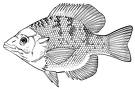 IMPORTANT ABORIGINAL HISTORY OF THE 15th CENTURY Even before the European settlement of Australia, mariners and traders from Asia and the Oceanic area were in contact with indigenous Australians, particularly in the Northern Territory. For example, a 15th century Ming statuette found near Darwin suggests that Chinese traders may have visited as early as 1400. ( Bepacked)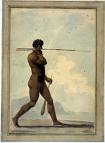 |
