THE 17TH CENTURY
ABOUT THE 17th CENTURY Known as the “scientific revolution” The 17th century saw major changes in philosophy and science, before the 17th century began, science and scientists were not truly recognized however by the end of the 17th century, a scientific revolution had occurred and science had become an established mathematical, mechanical, and empirical body of knowledge (enchanted learning). The 17th century saw Isaac Newton recognised for being a scientist. In England a man named Francis Bacon 1561-1626 declared that people should not accept that a theory was true just because a Greek philosopher said it was. He argued that careful observation and experiment was the key to finding out how the natural world works. Gradually this new method of understanding the world took over. By the late 17th century the new scientific approach had triumphed everywhere in Europe. By then scientists were carrying out careful observations and experiments to find out how the world works (local histories). During the 17th century England became steadily richer. Trade and commerce grew and grew. By the late 17th century trade was an increasingly important part of the English economy. Meanwhile industries such as glass, brick making, iron and coal mining expanded rapidly. During the 17th century belief in witchcraft and magic also declined. The last person to be executed for witchcraft in England met her death in 1685. (localhistories) MAJOR HISTORICAL EVENTS
IMPORTANT & INFLUENCIAL PEOPLE OF THE 17th CENTURY
(About.com) MAJOR TECHNOLOGICAL DEVELOPMENT
(About.com)  | FOOD INDUSTRY IN THE 17th CENTURY MEAT No parts of animals were wasted,blood was used in soups, for blood sausages, tripe was an ingredient in stews, soups or pies, and even cuts that clearly reminded of the live creature were readily consumed. Calf's head could be served as a separate dish, and eating eyes, tongue or cheeks was not seen as discusting,in some regions they were even considered to be delicacies(Foodtimeline).
SEASONINGS Spices that previously had been prohibitively expensive luxuries soon became available to the majority population, and the introduction of new plants like maize, potato, sweet potato, chili pepper, cocoa, vanilla, tomato , coffee and tea transformed European cuisine forever.
FRUIT & VEGETABLES Bananas and pineapples were introduced to england but only the rich could afford them.
INTERESTING FACT In the early 17th century people began eating with forks for the first time in europe prior to this eating with a fork was scandalous. (Did you know) 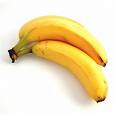 IMPORTANT ABORIGINAL HISTORY OF THE 17th CENTURY The word aboriginal, appearing in English since at least the 17th century and meaning "first or earliest known, indigenous," (Latin Aborigines, from ab: from, and origo: origin, beginning), has been used in Australia to describe its indigenous peoples as early as 1789 (Australian Explorer). 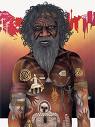 |
